
Merchant Account for Small Business: Payment Processing Solutions Explained
Running a growing enterprise means handling credit card transactions efficiently. A merchant account lets owners accept debit and credit payments, boosting revenue and customer satisfaction. But here's teh thing—choosing the right provider isn't always straightforward, especially when fees, contracts, and features vary wildly across the industry.
Ever wonder why some shops lose customers at checkout? Often, it's because they lack reliable payment processing solutions. This article breaks down everything entrepreneurs need to know about securing a dependable merchant account, navigating costs, and picking tools that actually match their operational needs in 2026 and beyond.
Why Credit Card Transactions Matter Today
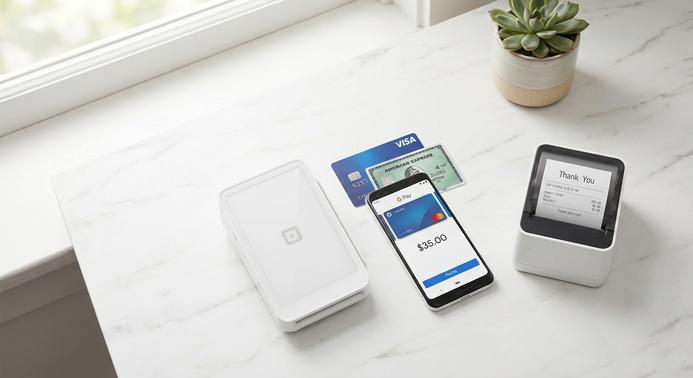
Cash-only businesses are rapidly disappearing. Consumers expect seamless digital payments whether they're shopping in-store or browsing an online storefront. Accepting credit card transactions doesn't just add convenience—it directly impacts how much revenue a company generates each month. Studies show that customers spend 12-18% more when paying by card compared to cash purchases.
Consumer Expectations Have Shifted
Modern buyers carry less physical currency than ever before. Tap-to-pay, mobile wallets, and contactless options have become the norm. A point of sale terminal that supports multiple payment methods keeps lines moving and customers happy. Businesses that don't adapt risk losing foot traffic to competitors who already embrace these technologies.
Revenue Growth Through Digital Payments
Accepting electronic payments opens doors to impulse purchases and higher average order values. When a customer doesn't need to worry about how much cash they're carrying, they tend to buy more. Additionally, recurring billing and subscription models become possible once a proper payment processing setup handles automated charges reliably.
Choosing the Right Payment Gateway
Not every provider delivers teh same experience. Some specialize in brick-and-mortar retail, while others focus on e-commerce platforms. Understanding your primary sales channel helps narrow down options quickly. An online payment gateway should integrate smoothly into existing websites and shopping carts without requiring extensive coding knowledge.
Comparing Fee Structures Carefully
Providers typically charge through one of three pricing models: flat-rate, interchange-plus, or tiered. Here's a quick breakdown:
- Flat-rate charges a fixed percentage per transaction, making budgeting predictable.
- Interchange-plus passes wholesale card network rates plus a small markup, often cheaper at higher volumes.
- Tiered pricing groups transactions into qualified, mid-qualified, and non-qualified categories, sometimes hiding extra costs.
Entrepreneurs should request transparent pricing sheets before signing any contract. Hidden fees—like PCI compliance charges, batch processing fees, or early termination penalties—add up fast.
Integration and Software Compatibility
A great online payment gateway works seamlessly alongside accounting software, inventory management tools, and CRM platforms. Look into providers offering APIs and plug-ins that connect to popular platforms like Shopify, WooCommerce, or QuickBooks. Smooth integration saves hours of manual data entry every week.
Business Banking Services and Account Setup
Opening a dedicated account involves several steps. Providers evaluate credit history, business type, monthly transaction volume, and chargeback ratios before approval. Having organized financial records and a clear business plan speeds up teh application process considerably.
Documentation You'll Need Ready
Most providers request the following during onboarding:
- Employer Identification Number or Social Security Number
- Business license and registration documents
- Recent bank statements showing business banking services activity
- Estimated monthly processing volume
- Website URL if selling products or services online
Gathering these documents ahead of time prevents delays. Some providers approve applications within 24-48 hours, while others take up to two weeks depending on risk assessment.
High-Risk vs. Standard Categories
Certain industries—like travel agencies, subscription boxes, or CBD retailers—fall into high-risk categories. These businesses often face higher processing rates and stricter contract terms. However, specialized providers cater specifically to these niches, offering tailored business banking services that standard processors won't touch.
Point of Sale Terminal Options in 2026
Hardware choices have expanded dramatically. Traditional countertop machines still work well, but mobile card readers, tablet-based registers, and smartphone payment apps offer flexibility that wasn't available five years ago. The right point of sale terminal depends on where and how sales happen most frequently.
Mobile and Wireless Readers
Businesses operating at farmers markets, pop-up events, or service calls benefit enormously from portable card readers. Devices like those offered by Square, Clover Go, and SumUp connect via Bluetooth and process credit card transactions through a smartphone app. They're affordable, lightweight, and don't require a permanent counter setup.
Countertop and Smart Terminals
Retail stores and restaurants handling high daily volumes often prefer robust countertop systems. Smart terminals combine payment acceptance, receipt printing, and inventory tracking into one device. Many also support NFC payments, chip cards, and QR code scanning—covering virtually every way a customer might want to pay.
Investing in equipment that grows alongside the company prevents costly upgrades down the road. Leasing might seem attractive initially, but purchasing hardware outright usually saves money over a two-year period.
Conclusion
Selecting the right merchant account shapes how efficiently a company handles daily transactions and long-term growth. Don't rush the decision—compare fee structures, evaluate point of sale terminal options, and ensure your online payment gateway integrates smoothly into existing workflows. The effort spent researching now pays dividends through lower costs, happier customers, and streamlined operations throughout 2026.